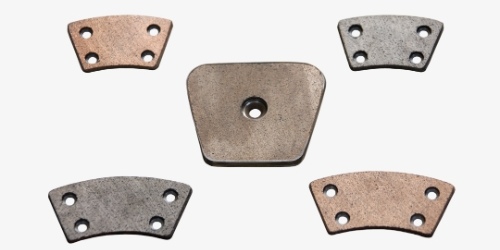
A vehicle's braking system is as critical as its engine—your ultimate safety relies on the friction material within your brake pads. This article explores the science behind friction materials, explaining how complex formulations—comprising grinding fillers (e.g., zirconium silicate), wear reducers (graphite), and functional fillers—work together to balance performance factors like friction coefficient, noise, wear, and heat resistance. We break down common formulations (semi-metallic, ceramic, low-metallic, hybrid) and their ideal applications, debunking myths like judging quality by magnet attraction. True performance depends on R&D expertise and tailored formulations, not just material presence.
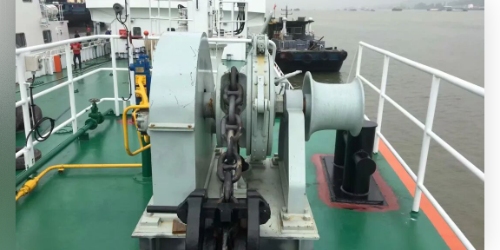
Marine windlass brake lining is a critical safety component for anchoring operations. This article provides a comprehensive overview of its key components (body, wheel, system, adjustment device), core functions in chain tension control and stability, common fault diagnosis methods (wear, system malfunction, overheating), step-by-step repair & replacement procedures, and essential preventive maintenance practices. Supported by real-world case studies, this guide offers valuable insights for ship operators and maintenance crews to ensure system reliability and prevent downtime.
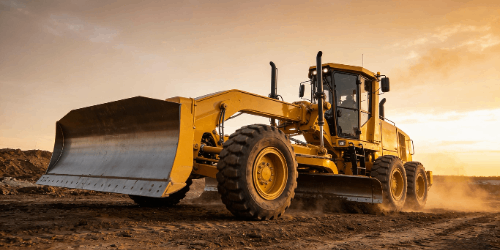
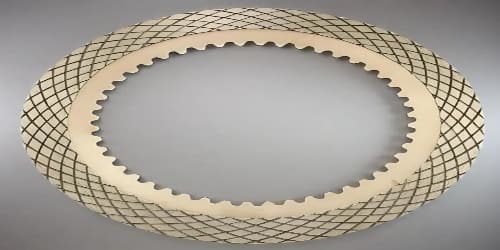
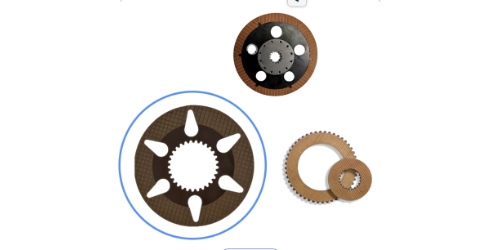
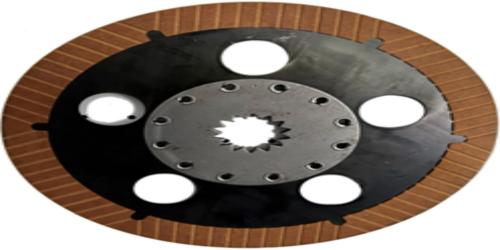
Modern agricultural machinery clutch friction plates endure extreme friction and thermal loads in complex operating conditions, directly impacting transmission system reliability. Paper-based friction materials have emerged as the market mainstream due to their high friction stability, heat resistance, and lightweight properties. This analysis examines key failure modes—including mating surface roughness effects, overheating, and excessive pressure—while presenting professional solutions through material optimization, thermal design, and pressure control. As an expert in friction materials, we provide customized high-performance clutch plates for high-horsepower agricultural machinery, ensuring durable and stable operation.
Wet paper-based friction linings are fiber-reinforced polymer composites. Their performance is determined by the composition of fibers,binders,and modifiers.They operate through distinct lubrication stages and are subject to thermal,adhesive,abrasive,and fatigue wear.
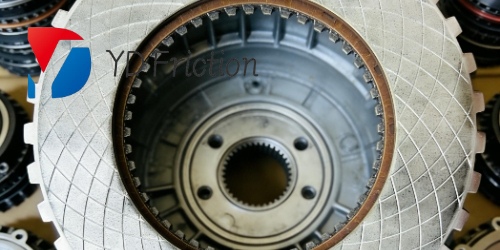
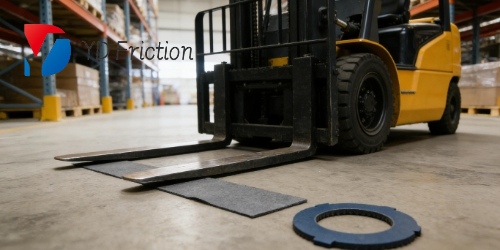
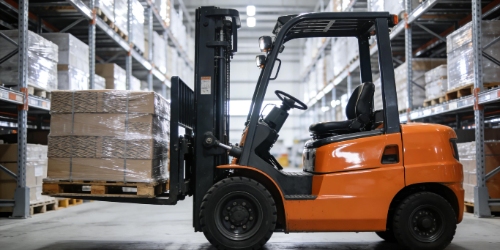
Forklift clutch friction plates,including inner and outer plates,are critical components within the clutch assembly,responsible for transmitting rotational torque from the engine to the transmission system.These plates,along with other clutch components such as the piston,pressure plate,and springs,enable smooth gear shifts and directional changes through hydraulic operation.Proper installation,maintenance,and handling are essential to ensure optimal performance and longevity.Key precautions during replacement include maintaining cleanliness,ensuring correct lubrication,avoiding damage to splines,and adhering to specified disengagement travel. Additionally,operators must avoid practices that cause excessive wear,such as prolonged semi-clutch usage or improper starts,to prevent overheating and potential failure.Regular inspection and timely replacement of worn friction plates are crucial for safe and efficient forklift operation.
Sourcing a high-temperature clutch facing for heavy trucks? Learn why a simple temperature rating isn't enough. This expert guide details the true heavy-duty truck clutch facing heat resistance standards, from fade resistance to material science, helping engineers qualify a truly robust supplier.
Searching for the clutch facing with the best wear resistance? Discover why the optimal choice isn't a brand, but a balance of performance. This expert high friction coefficient clutch facing selection guide provides engineers with a framework for choosing the right material for any application.
When every manufacturer is emphasizing “good quality, good price”, how to buy seems even harder. Senior procurement professionals know full well that the true value is hide behind the price sheet. They have all sorts of evaluation frameworks in mind that are deeper, more experienced and more practical to handle. Today, we will talk about 3 important traits of a supplier, this trait may be easy to overlook, but it’s important.
While the original equipment manufacturers' buying decision-makers would only care about the unit cost between moulded clutch and woven clutch, the quoted initial price was actually only a minute fraction of what the real cost was. A smart value analysis should consider the total cost of ownership (TCO), including the performance of the product, long-term durability, supply chain stability, and even the long-term impact on the reputation of the brand.