Prevent Downtime! Marine Anchor Brake Band: Fault Diagnosis, Repair & Proactive Maintenance Solutions
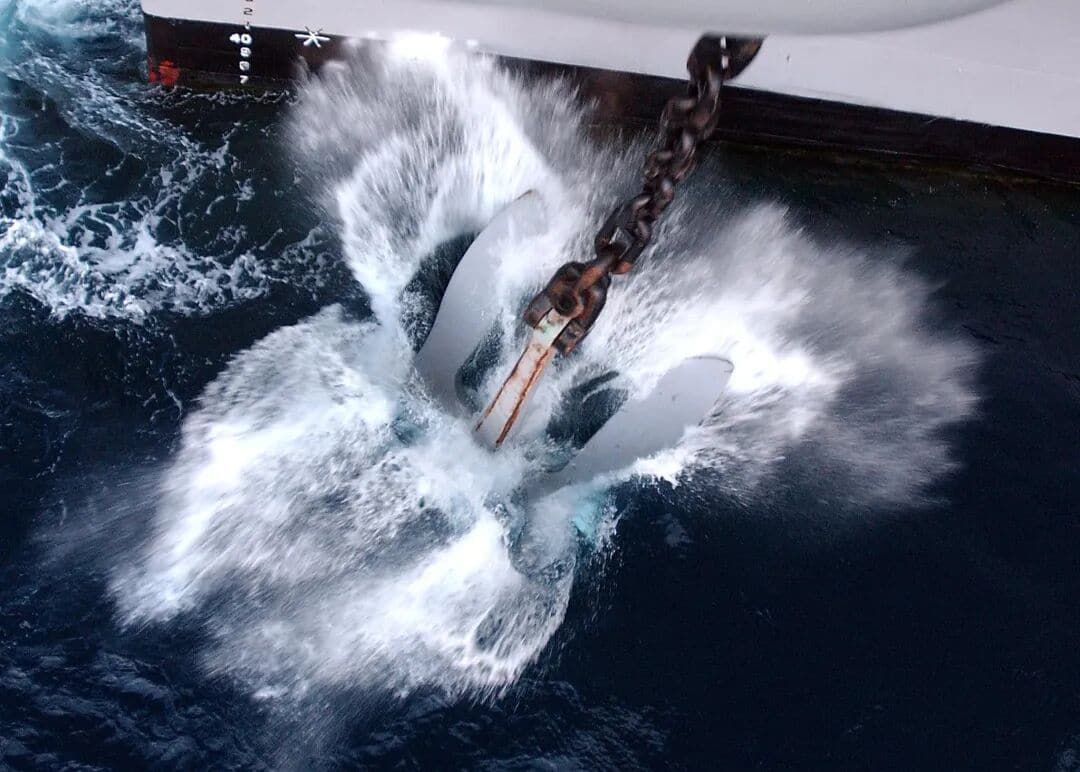
01 Components
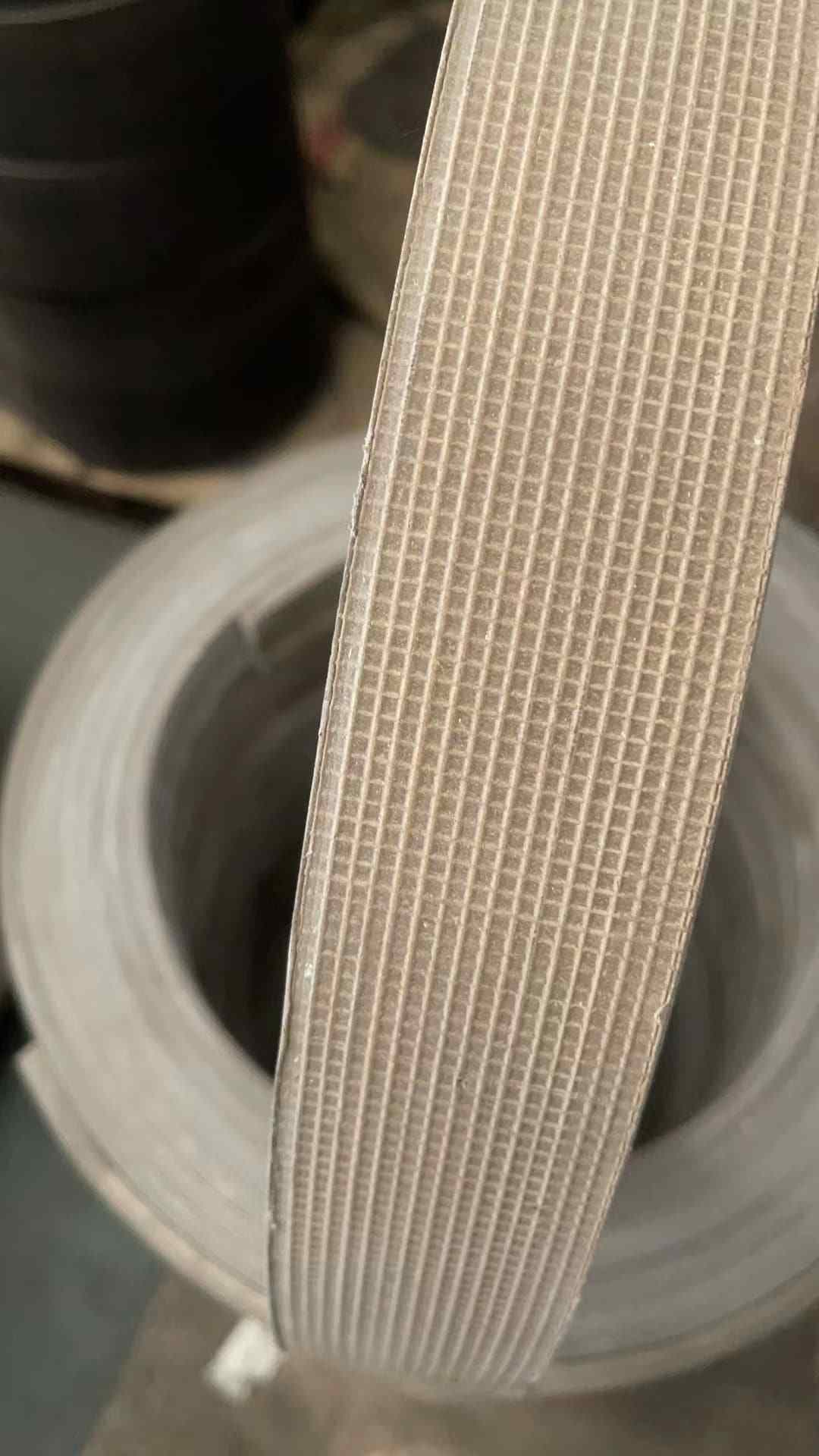
The anchor winch brake band constitutes a vital component within the anchor winch system, serving to regulate the tension of the anchor chain to ensure stability and safety during anchoring or weighing anchor operations. The primary components of the brake band comprise: 1. The brake band body is typically constructed from high-strength, wear-resistant materials such as rubber or composite materials to withstand significant friction forces. The brake band is generally a belt-shaped component, either closed-loop or open-loop, mounted on the brake wheel. 2. The brake wheel is predominantly steel-constructed with a rust-resistant coating applied to its surface. The wheel features a specially designed friction surface that engages with the brake band to generate frictional force. 3. Brake System: This component interacts with the brake band, controlling its frictional force through the rotation of the brake disc. It clamps the brake disc to induce corresponding friction in the brake band. The brake control mechanism comprises manual or electric systems for adjusting the band's tension. 4. Adjustment Devices Adjustment screws or mechanisms fine-tune the brake band's tension to ensure optimal braking performance. These mechanisms may be mechanical or electric, varying according to vessel design.
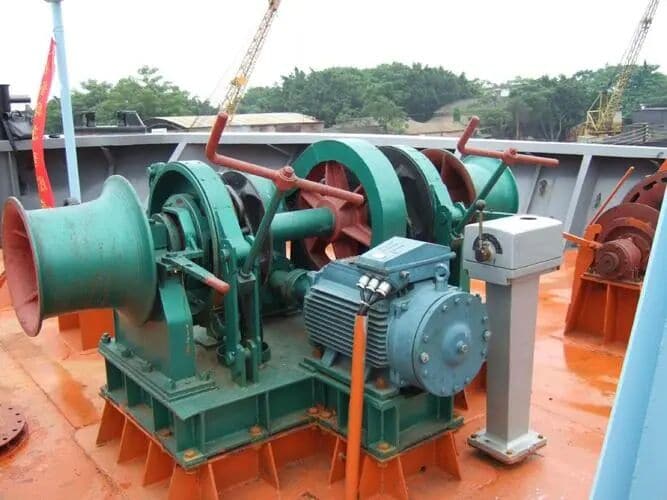
02 Key Features
1. Controlling anchor chain tension The brake band regulates the release and retrieval speed of the anchor chain through friction with the brake wheel, preventing excessive chain release or retrieval and ensuring smooth operation of the windlass. 2. Maintaining the anchor winch's stability: When the anchor chain is subjected to external forces (such as wind and waves), the brake belt increases friction to maintain the winch's stability, preventing sudden chain release or retrieval. 3. Preventing Overloading of the Anchoring System The brake belt effectively prevents damage to the anchoring system caused by overloading during operation by limiting anchor chain tension through controlled friction. 4. Enhancing Safety By regulating the anchor chain, the brake belt prevents accidents during anchoring operations, such as anchor chain breakage or damage to anchoring system components, thereby improving overall safety.
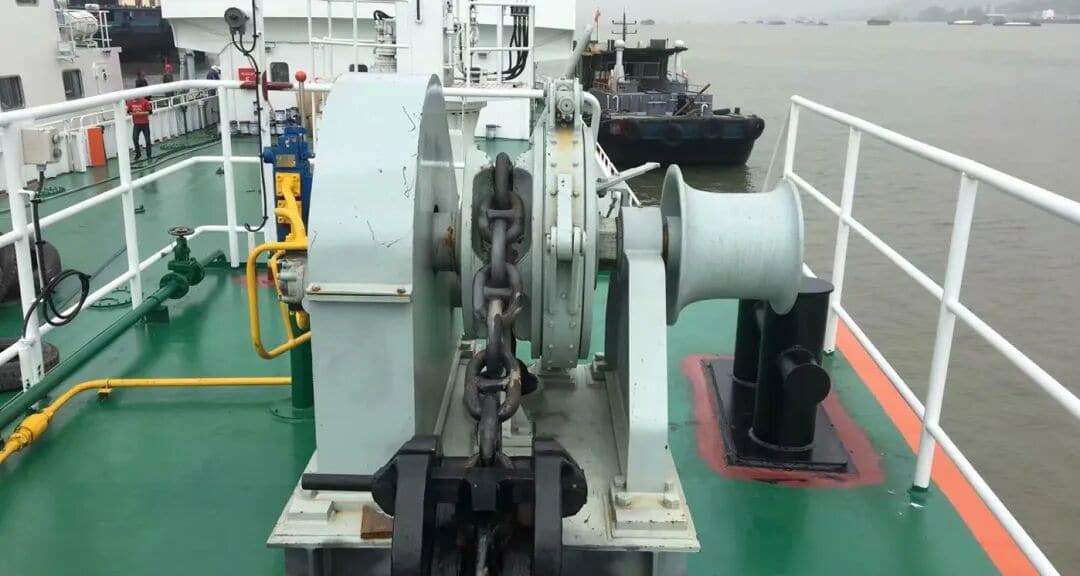
03 Fault Diagnosis
1. Brake Band Wear The primary causes of brake band wear include natural deterioration from prolonged use, improper operation, or material defects in the brake band itself. Wear manifests as visible surface abrasion, cracks, or damage to the brake band, resulting in diminished braking performance. Inspect the surface condition of the brake band, measure its thickness to verify compliance with standards, and determine whether replacement is necessary. 2. Brake Disc Wear Wear occurs due to prolonged usage or poor compatibility between the brake lining and brake disc. Key indicators include visible wear marks or deformation on the disc surface, preventing proper contact with the lining. Assess wear by inspecting the disc's surface condition and measuring its diameter and surface smoothness. 3. Brake System Malfunction Primary causes include control system failures, electrical connection issues, or mechanical component damage. Manifestations include malfunctioning brake controls, excessive or insufficient braking force. Routine checks involve inspecting electrical connections and mechanical components of the brake control unit, testing functional integrity. 4. Brake Band Overheating Excessive friction, overly frequent operation, or improper brake system adjustment are the primary causes of brake band overheating. During routine operation, overheating can be readily identified by surface heat or the presence of an unusual odour. Therefore, daily inspections should include measuring brake lining temperatures to detect any abnormal heating.
04 Maintenance
1. Brake Band Replacement Procedure Ensure the anchor winch is stationary and disconnect the power supply. Remove the screws or clamps securing the brake band and take out the old brake band. Fit the new brake band onto the brake wheel, adjusting its position to ensure proper contact with the brake wheel. Adjust the tension of the brake band using the adjustment mechanism to ensure it functions correctly. Start the anchor machine and conduct a test to verify the brake band functions correctly. 2. Brake System Repair Procedure Based on the fault symptoms, inspect the brake control unit, electrical connections, and mechanical components. Replace or repair any damaged parts identified. Readjust the brake system to ensure proper operation. Perform comprehensive testing to confirm all brake system functions are normal. 3. Brake Wheel Repair Procedure Inspect the brake wheel for wear to determine whether repair or replacement is required. Depending on the wear condition, repair or replace the brake wheel. Reinstall the repaired brake wheel in its original position and adjust the tension of the brake band. Conduct a test to ensure the brake wheel functions correctly.
05 Maintenance
Regularly inspect the wear condition of the brake pads and the surface condition of the brake discs to promptly identify and resolve any issues. Regularly clean the surfaces of brake linings and brake drums to remove dirt and rust, ensuring effective friction performance. Apply appropriate lubrication to moving components of the braking system to prevent seizing and excessive wear. Periodically inspect and adjust the tension of brake linings to maintain optimal operational condition. Document each maintenance and repair instance, including the timing, cause, and resolution of component replacements, for future reference and management purposes.
06 Case Study
Case 1: Anchor Winch Failure Due to Brake Band Wear During navigation
a vessel encountered strong winds, resulting in severe wear to the anchor winch's brake bands. This caused the anchor chain to become uncontrollable. Crew members operating the winch noted uncontrollable chain tension and observed significant surface wear on the brake bands. The windlass was halted to inspect the brake band and brake system condition. The severely worn brake band was removed, replaced with a new one, and adjusted. The windlass was restarted for a trial run to verify proper brake band function. Following replacement and adjustment, the windlass resumed normal operation, enabling the vessel to anchor safely.
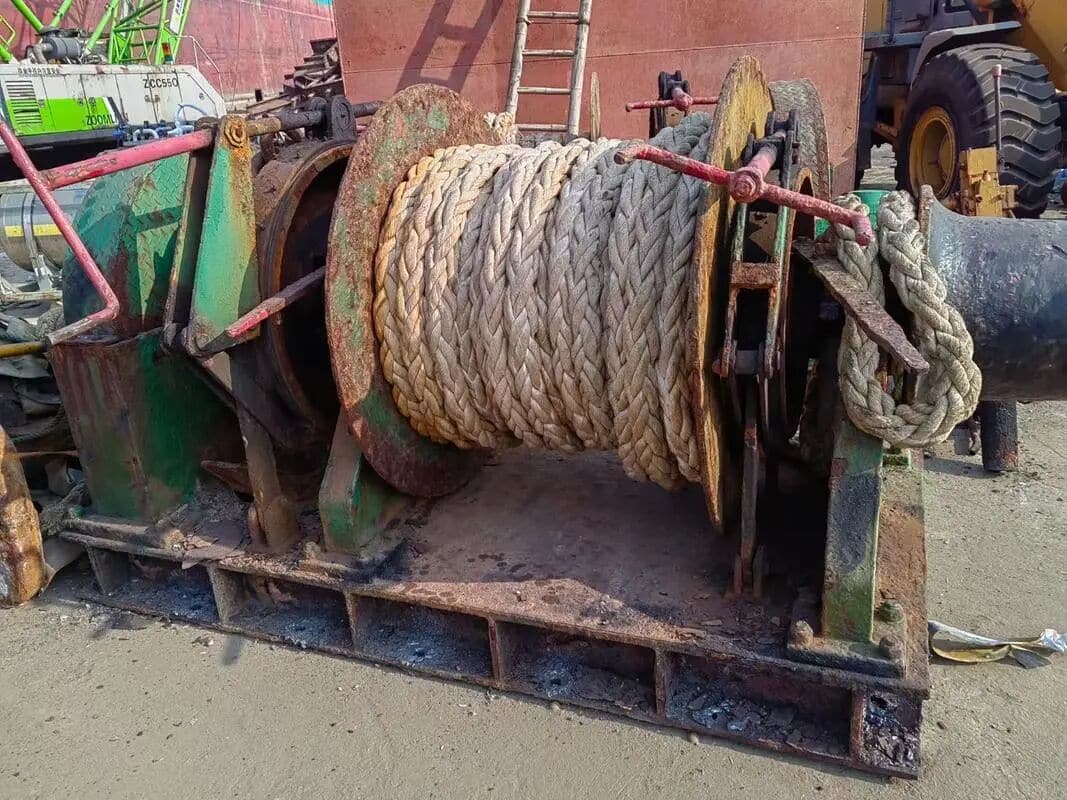
Case 2: Abnormal Braking Force Due to Brake System Malfunction
During the anchoring process of a vessel, a fault was detected in the braking system, resulting in excessive braking force that could not be adjusted normally. Inspection of the brake control unit and electrical connections revealed a malfunction in the control unit. The faulty component was repaired or replaced to ensure the control unit functioned correctly. The brake system settings were readjusted, followed by comprehensive testing to verify normal braking force. Following the repairs and adjustments, the braking system was restored to normal operation, enabling the windlass to control the anchor chain effectively. It is hoped that this detailed account provides a comprehensive understanding of the composition, function, fault diagnosis, maintenance, and servicing of a vessel's windlass braking system.
⚓ Need Reliable Brake Lining Solutions for Your Fleet?
Ensure operational safety and minimize downtime with our high-performance, wear-resistant marine brake linings and complete technical support.

 High-Performance Friction Discs for Komatsu Equipment: D155, D355, and PC Series Solutions
 High-Energy Friction Discs for Caterpillar (CAT) Equipment: D6, D8, D10 and 966, 988 Series
 High-Performance Friction Discs for Allison Transmissions: Solutions for 4500, 5000, and 9000 Series
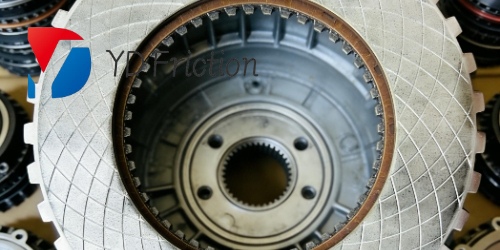 High-Performance Friction Discs for ZF Transmissions: Technical Guide for WG180, WG200 & 4WG210 Series